
Definition of Digital Marketing
Digital marketing is the use of online channels and tools to reach customers, promote products or services, and drive measurable outcomes like sales, traffic, or brand awareness. It includes tactics such as SEO, social media, email marketing, and online ads — all powered by data and technology to continuously improve performance.
While different roles specialize in areas like search, content, or analytics, they all work together to help organizations grow in a digital world. Let’s break down the key areas and roles within digital marketing.
What Are the Key Areas of Digital Marketing?
Digital marketing includes several core areas. Depending on your role, you might focus on one or two specific areas — which is common for specialists — or you might take a generalist approach and build broad skills across many focuses. Regardless of your digital marketing path, it’s important to understand how the different areas synergize together.
Content Marketing and Copywriting
If you love storytelling and have a talent for writing, content marketing and copywriting are natural areas to explore in digital marketing. These skills are central to roles like Content Marketing Manager, Copywriter, and Content Strategist, where the focus is on creating blog posts, videos, podcasts, and other assets that attract and engage audiences.
But content and copywriting skills are also highly valuable in other roles. Social Media Managers use them to craft engaging posts and captions. Email Marketing Specialists rely on strong copy to drive engagement. Even some SEO roles require writing and editing clear and compelling content.
Whether you’re writing for YouTube scripts, TikTok captions, podcast intros, or blog articles, mastering content and copy techniques can help you connect with audiences and grow your impact across platforms.
Social Media Marketing
If you thrive in fast-paced environments and love engaging with online communities, social media marketing could be the perfect fit.
With its constantly evolving user base, social media allows you to capture consumer attention quickly. In fact, the adoption of social media has skyrocketed — in 2005, only 5% of American adults used at least one social media platform while today about 72% of Americans use social media in some form. Globally, social media usage has also surged, now encompassing 63.9% of the world’s population [2].
Roles like Social Media Manager and Community Manager focus on building brand presence across social platforms. These roles are all about creating engaging content, interacting with followers, and managing campaigns that drive engagement and loyalty.
But social media marketing skills are also valuable in other roles. Content Marketers may incorporate social media strategies to amplify their content across different platforms. SEOs need to understand how social media signals can impact search rankings, while Brand Managers often work closely with social teams to ensure consistency in messaging.
Additionally, influencer marketing, a subset of social media marketing, leverages influencers with large, engaged followings to promote content through sponsored posts or collaborations. This trust-based marketing method is especially effective when your brand’s product or service aligns with the influencer’s audience interests
Search Marketing
If you enjoy problem-solving, research, and working with data, SEO (search engine optimization) and SEM (search engine marketing) might be a great fit for you.
These two areas often go hand in hand, both focused on increasing visibility in search engine results — but through different strategies.
SEM focuses on paid tactics to boost visibility in search engines. This typically includes pay-per-click (PPC) ads, display advertising, and sponsored placements that appear in search results. These roles often involve campaign management, keyword bidding strategies, and performance tracking to ensure a strong return on investment.
SEO, on the other hand, largely focuses on improving organic visibility. Among other responsibilities, SEO involves search behavior analysis, optimizing metadata, improving user experience, and auditing the overall technical health of a website. SEOs often wear many different hats and are required to be adaptable, since platforms like Google frequently update their algorithms.
While SEO and SEM are distinct disciplines, they increasingly intersect with other digital marketing channels. For example:
- Social Media Managers often collaborate with SEO teams to help distribute content that earns backlinks and boosts organic visibility.
- Content Marketers optimize blog posts and videos with keywords for search, while also repurposing that content across social channels to maximize reach.
- Brand Managers can use SEM insights to align paid search efforts with broader messaging and product launches, ensuring visibility at key touchpoints.
How Digital Marketing Drives Business Growth
The different areas of digital marketing enable businesses to engage with potential customers at every stage of the user journey.
Social media marketing and paid ads help build awareness, effective content marketing and email campaigns nurture interest when potential customers are in the consideration phase, and marketing analytics and CRO influence decision making to drive conversions.
Digital marketing allows you to create personalized experiences to build customer loyalty. From app-based loyalty programs to reminder emails that encourage users to complete a purchase of items abandoned in their cart, digital nudges keep your best customers connected beyond the time of purchase.
When implemented effectively, the various areas of digital marketing synergize together to help your brand reach and engage relevant audiences, turning potential customers into loyal consumers.
“Digital marketing is the skill that brings success to any business. If you’re a fitness trainer struggling to get clients, digital marketing enables you to reach thousands of potential clients beyond your local gym. If you’re a real estate agent relying solely on referrals, digital marketing provides a predictable system to bring more buyers at your door.“ – Pouya Eatemadi
Digital Marketing Careers and Opportunities
With marketing budgets shifting heavily toward digital, the demand for skilled digital marketers continues to grow. In fact, 63% of businesses have increased their digital marketing spend in recent years, and 72% of overall marketing budgets now go to digital channels [3]. This shift reflects the strong return on investment (ROI) digital marketing offers, making it the foundation of most modern marketing strategies.
As a result, career opportunities in digital marketing are more diverse than ever. You can choose to specialize in a specific area or pursue a generalist path with skills across multiple disciplines. Popular roles include:
- Social media manager
- SEO specialist
- Content strategist
- Digital marketing manager
- SEM specialist
- Email marketing specialist
Additionally, one of the key benefits of working in digital marketing is its flexibility. Many roles are well-suited to remote work, and freelance or contract-based opportunities let professionals set their own schedules and working conditions. Even full-time employees often enjoy hybrid positions that blend remote work with in-person collaboration.
As companies continue to invest in digital strategies, digital marketing offers a dynamic, in-demand career path with opportunities across industries, business sizes, work styles, and schedule preferences.
For more information on how to get into digital marketing, read here.
What Skills are Critical in a Digital Marketing Career?
Each digital marketing role requires specific skills to be successful. The exact combination of digital marketing skills required will vary by industry and project.
Communication Skills
Strong communication skills are essential in any digital marketing role. Being able to clearly convey ideas, tailor messages for different audiences, and present information across various formats—like emails, presentations, or social media—helps ensure your message lands effectively. A big part of communication is adaptability: knowing how to adjust your tone and style for different platforms or stakeholders. Over the past three years, the amount of time Udemy Business customers, including employees at fortune 100 companies, spend learning communication skills each month has increased by 150%, highlighting just how valuable strong communication is in today’s workplace.
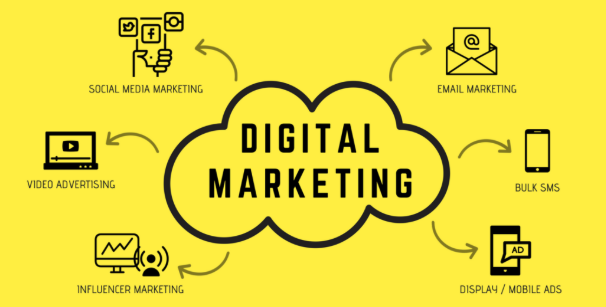
Email and Text Message Marketing
If you have a strategic mindset and enjoy crafting personalized, data-driven messages, email marketing and text message (SMS) marketing can be a highly rewarding specialization.
While social media and paid ads provide broad reach, email and SMS marketing offer direct access to a more captive audience who have already shown interest in your product or service.
Roles like Email Marketing Specialist, CRM Manager, and Lifecycle Marketing Manager focus heavily on creating targeted campaigns that nurture leads, promote offers, and retain customers over time. These professionals optimize performance across every stage of the customer journey.
SMS marketing, in particular, is a great fit for businesses with a strong local or repeat customer base — like restaurants, boutique retailers, or fitness studios — where real-time updates about specials or events can drive immediate foot traffic or sales.
Email and SMS marketing synergizes with other areas, and can influence holistic marketing strategies. For example:
- Social Media Managers may collaborate with email marketers to align messaging across campaigns, ensuring a consistent voice and timing across channels.
- Content Marketers often repurpose blog or video content for newsletters and email campaigns, increasing ROI on content efforts.
- Growth Marketers use both email and social media to test messaging, drive signups, and build long-term engagement loops across platforms.
Even if your role isn’t centered on email
or SMS, having a foundational understanding of how these direct marketing channels work — and how they connect with social strategy — can give you a well-rounded edge in planning and executing multi-channel campaigns.
Affiliate Marketing
Affiliate marketing expands your reach beyond your typical consumers. With affiliate ads, anyone can promote your product on their digital platform for a small commission fee if the ad leads to a sale. Similar to influencer marketing, this type of advertising piggybacks on the trust followers or viewers have for the site where your ads are displayed.
Roles like Affiliate Marketing Manager and Partnerships Manager focus on recruiting and managing affiliates, providing them with marketing assets, and analyzing which partnerships are the most effective.
Even if affiliate marketing isn’t the core of your role, collaborating with affiliate marketers is common for other specialists. For example:
- Content Marketers can benefit from understanding affiliate strategy when creating product reviews, listicles, or tutorials that could generate affiliate revenue.
- Social Media Marketers may support affiliates by providing shareable assets and messaging to ensure brand consistency across platforms.
- E-commerce Marketers may use affiliate programs to scale product pro
motion efforts without significantly increasing ad spend.
Marketing Analytics
If you are data-oriented, statistically savvy, and naturally curious, then marketing analytics might be the best match for you.
Marketing analytics is the practice of collecting, analyzing, and interpreting data t
o measure the effectiveness of your marketing strategy and execution. Marketing analytics is essential for optimizing campaigns, improving return on investment, recognizing trends, and identifying the “why” behind user behavior.
Roles that predominantly focus on marketing analytics include Marketing Analyst, Data Scientist, and Conversion Rate Optimization (CRO) Specialist. However, marketing analytics skills can apply to a large variety of roles. For example, SEO professionals use analytics to understand how user engagement data sends content quality signals to search engines and LLMs, while paid media managers analyze ad performance to adjust bids and targeting for better results.
In essence, marketing analytics empowers a wide range of roles to make informed decisions, optimize performance, and drive better business outcomes across the various digital marketing areas.